
Forget the debate over coding or sports; if you could invest in one high-return skill for your child’s future, it has to be empathy. Emotional intelligence often outweighs technical expertise in today’s evolved world. It is one of the most powerful skills your child can develop.
Empathy is the ability to understand how others feel, to respond with compassion, and to act with kindness. The Blue Bells School, one of the best schools in Gurgaon, believes that equipping children with this skill prepares them to build genuine connections, collaborate effectively, and exhibit leadership skills. While grades open doors, empathy builds bridges.
Before we learn how to nurture empathy, let’s dive deeper into what it means, how it differs from sympathy, and why it’s one of the most important skills to teach children.
Empathy v/s Sympathy – Understanding the Difference
Empathy and sympathy are two words that are used interchangeably, but don’t mean the same. Let’s understand it with a simple empathy v/s sympathy examples –
Sympathy is the feeling of being sorry for someone.
Example – If your child’s classmate lost their skating shoes, then sympathy would sound like ‘That’s very unfortunate. I feel really bad for you.’
Empathy is the ability to feel with someone.
Example – If your child’s friend is facing difficulty in academic performance, then empathy would sound like ‘I know how demotivated you must be feeling. Let’s study and figure out the way together.’
There is a very thin line between the two, but the impact of both is very prominent. Sympathy acknowledges the feeling, and empathy connects to it.
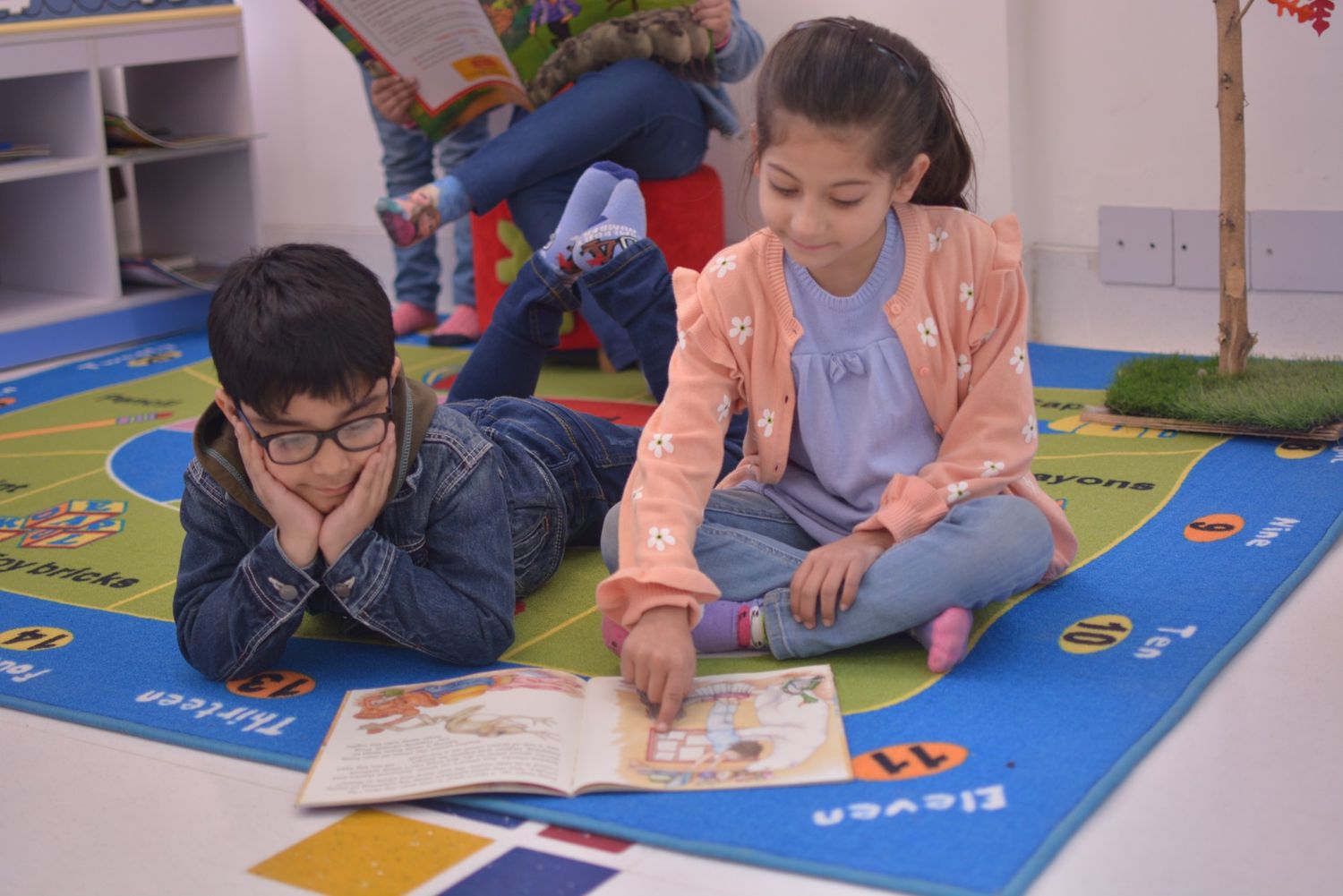
3 Types of Empathy Every Child Should Learn
- Emotional
Emotional empathy is the ability to feel what others feel. It is the ability to sense and absorb the emotions of others.
- Cognitive
Emotional empathy is the ability to understand what others are feeling. It is the ability to understand another person’s perspective and mental state.
- Compassionate
Compassionate empathy is feeling, understanding, & taking action. It is the ability to sense someone’s emotions and make them feel better.
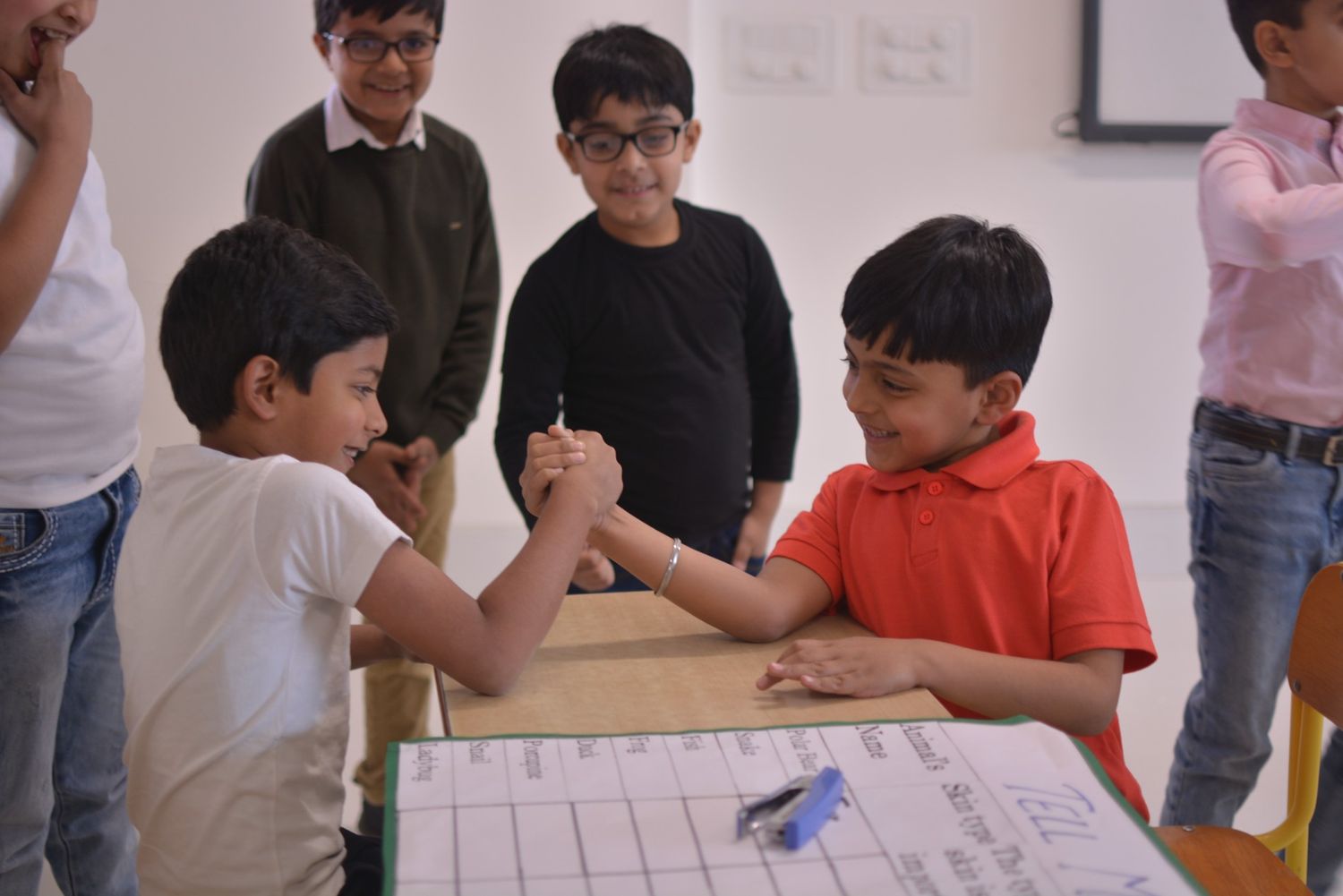
Empathy and Emotional Intelligence in Education
Empathy is a pillar of emotional intelligence. Empathy is a skill that nurtures children – emotionally, socially, & intellectually.
Children who show empathy are more likely to –
- Communicate with sensitivity
- Resolve conflicts peacefully
- Form strong friendships
- Have better mental health
- Perform good academically
- Exhibit leadership qualities
Best schools in Gurgaon value education programs that teach students socio-emotional skills. They make empathy an integral part of their school culture, where each child feels heard, seen, and valued.
Tips to Nurture Empathy in Children
- Model Compassionate Behaviour
Children learn more effectively through observation than through instruction. When they see you respectfully talking to the domestic helper, helping out your neighbours, and showing patience in moments of distress, it motivates them to lead their lives with kindness. Showing empathy in your everyday actions teaches them that it is not just an action, but a lifestyle. The more they witness, the more they practice – effortlessly.
- Build Emotional Awareness
Developing emotional awareness is the first step toward understanding the emotions of others. Start by helping them build an emotional vocabulary by labelling different feelings – happy, sad, excited, etc. By acknowledging these different moods, individuals become better at understanding what others might be feeling.
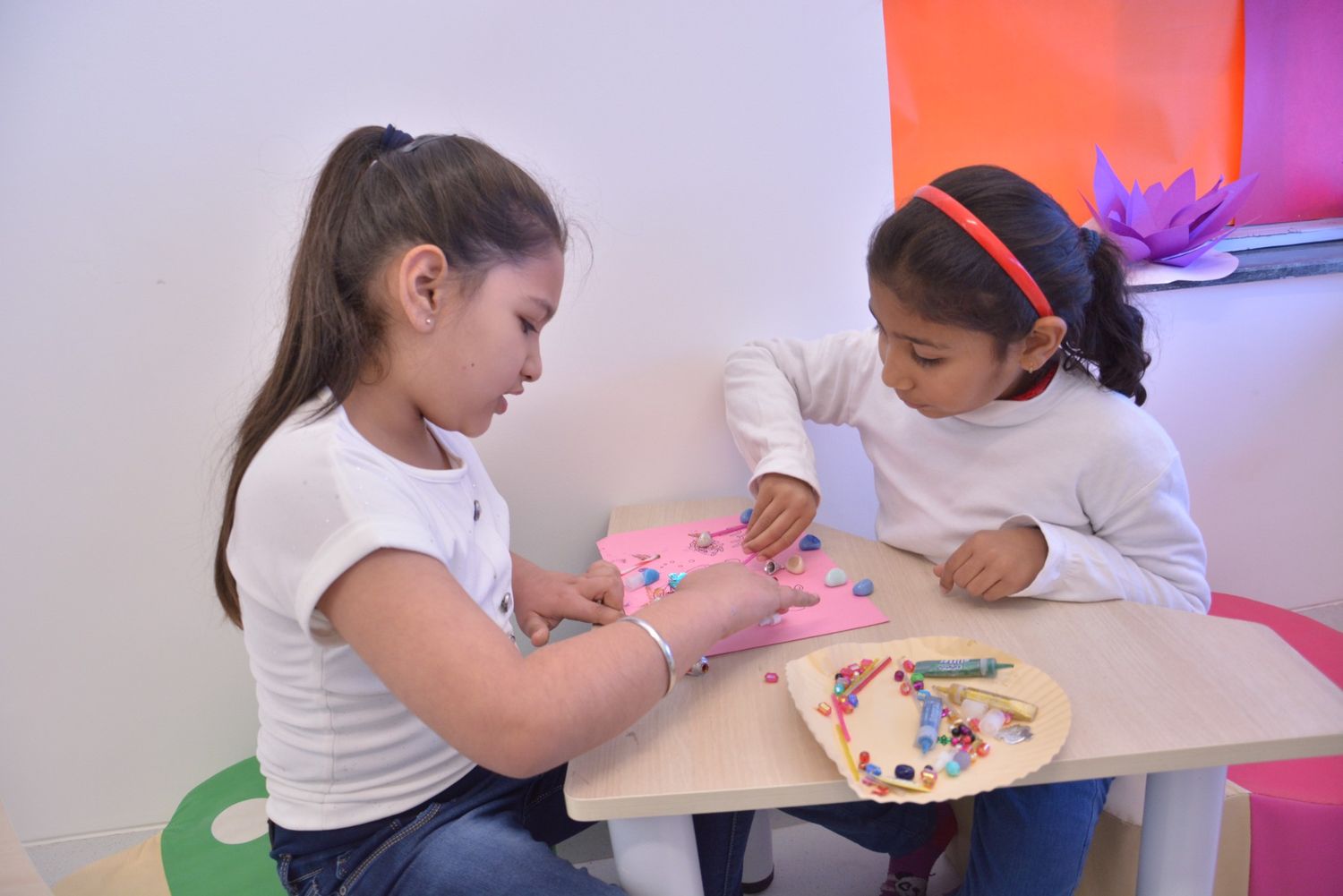
- Engage in Emotional Talk
Embrace emotional expression as a natural part of life. Discuss how your children are feeling, situations they witnessed around them at school, or any fictional character in a story or movie. These small conversations help them tune into the emotions of people around them, building perspective-taking skills, which are an important element of empathy.
- Encourage Acts of Kindness
Empathy grows more with each kind action. Encourage your child to perform small acts of kindness in their daily life, such as sharing snacks, helping those in need, and offering comfort to someone who needs emotional support. They will naturally feel good after making someone’s day better. But your little appreciation would hype them even more. This desire would encourage them to keep repeating those gestures.
- Promote Collaborative Projects
One of the rare empathetic skills a child should develop is being open and welcoming towards fellow students. Teach them to join a group of kids playing at the park or invite a classmate sitting quietly during an activity. Kind behaviour should not be limited to friends but extend to everyone. This inclusivity helps them understand the differences, embrace new perspectives, and strengthen social connections.
Empathy is truly a superpower that helps children thrive holistically. The Blue Bells School, one of the leading schools in Gurgaon, have designed a value-driven curriculum that helps students grow into emotionally intelligent and compassionate individuals. Through empathy development in early childhood, children grow up to become responsible citizens & kind individuals. The world not only needs intelligent thinkers but empathetic doers.