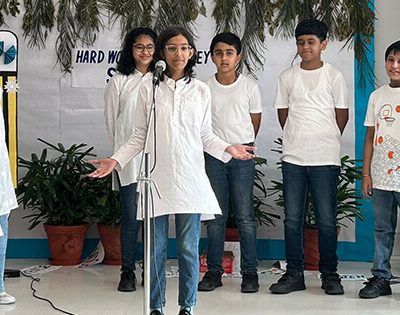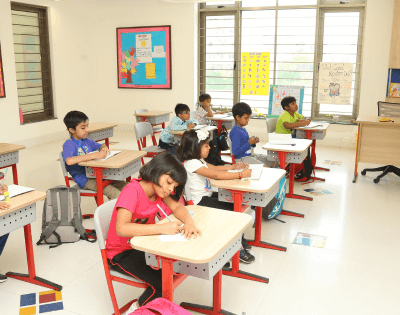

A passive learner is rarely the passionate one. Children need active engagement, moving beyond textbooks to truly master knowledge.
According to research, student engagement is a key factor in achieving better academic results. Hands-on experiences make learning more enjoyable and memorable than traditional classroom instruction.
The Blue Bells School, a progressive CBSE board school in Gurgaon, champions learning beyond textbooks. They encourage children to learn through doing, questioning, observing, experimenting, & interacting with the world around them. This holistic approach nurtures thinkers, innovators, & confident individuals.
Let’s explore more about hands-on experiences and how they shape future-ready learners.
What is Hands-On Experience?
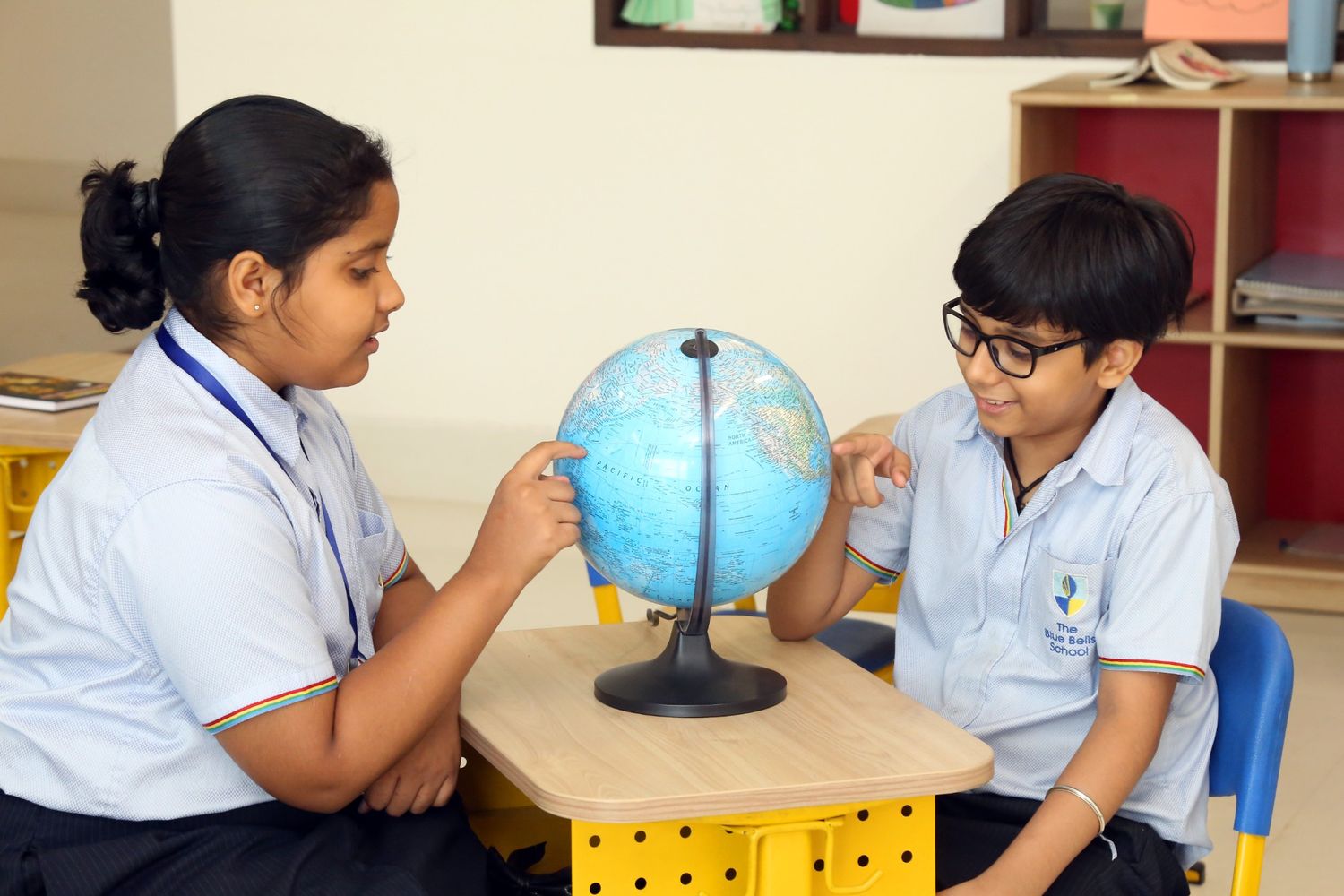
Hands-on experience is a modern teaching method that involves active engagement of children. It aims to not only inform children but also transform them. It sparks curiosity, builds confidence, and prepares them for life, not just exams.
Experiential learning activates multiple senses simultaneously, like touch, sight, & hearing, making it more effective than passive reading alone. These active learning techniques cultivate crucial cognitive agility, strengthen memory retention, & foster the robust problem-solving skills essential for future success.
Here are some methods experiential learning schools adopt to empower their students with holistic skills:
- Science experiments
- Art exhibitions
- Field trips
- Interactive play & simulations
The Pillars of Hands-On Learning
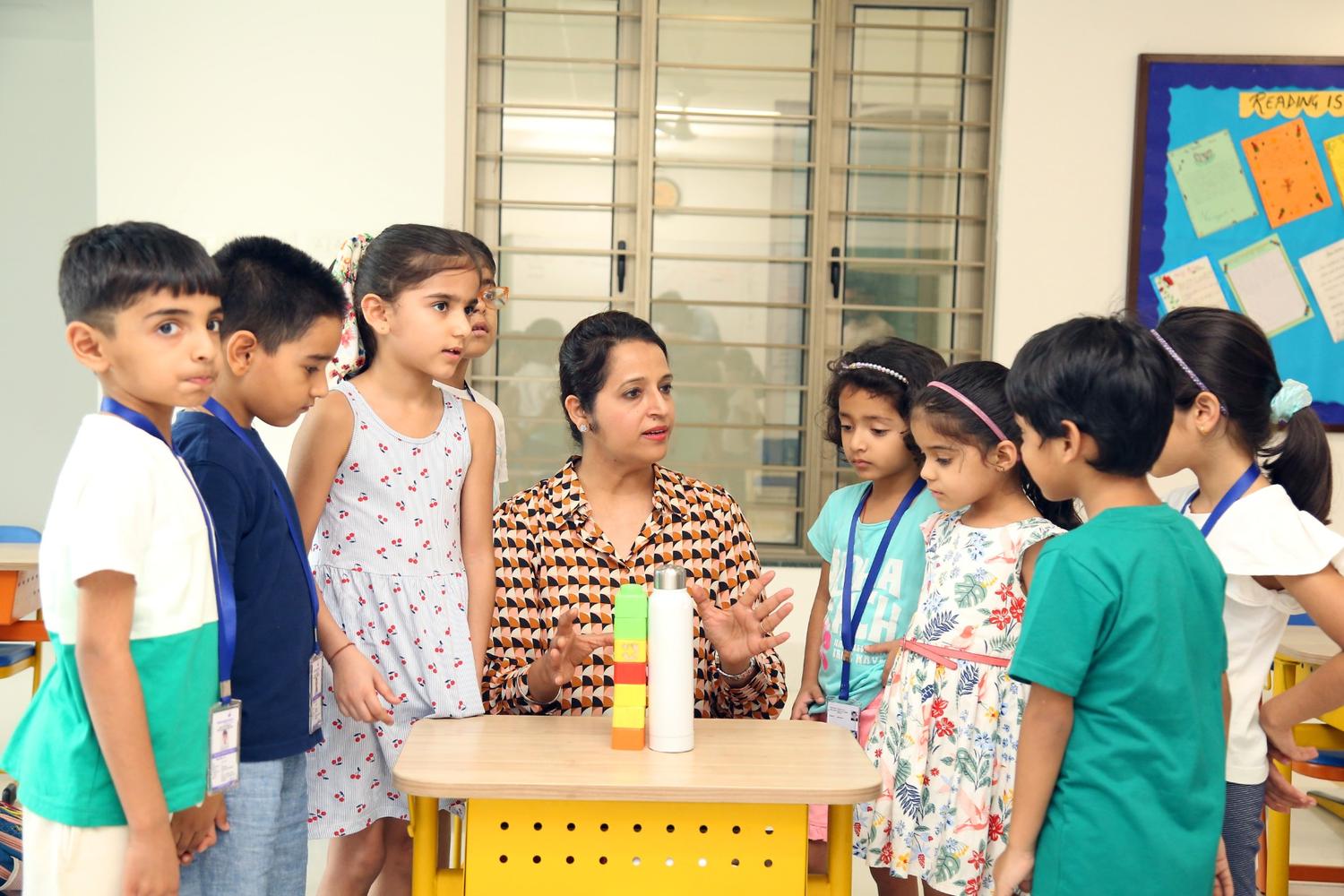
Schools that focus on nurturing their students with hands-on learning activities integrate these approaches into their curriculum –
- Student-Centered Learning
Through student-centred learning experiences, students take charge of their learning. Activities like group discussions, explorations, hands-on tasks, etc, teach them ownership and confidence.
- Discovery-Based Learning
Discovery-based learning, instead of providing answers, motivates students to find them through experiments, observations, and problem-solving tasks. Things learned this way stay longer with them than any explanation.
- Project-Based Learning
Project-based learning in schools make children learn different skills and subjects together in a meaningful way. It teaches kids teamwork, leadership, presentation skills, etc, which will help them later in life.
- Real-World Learning
Real-world learning experiences develop awareness in children. Things learned through real-world experiences help them grow holistically and prepare for the future.
How Hands-On Learning Shapes Children
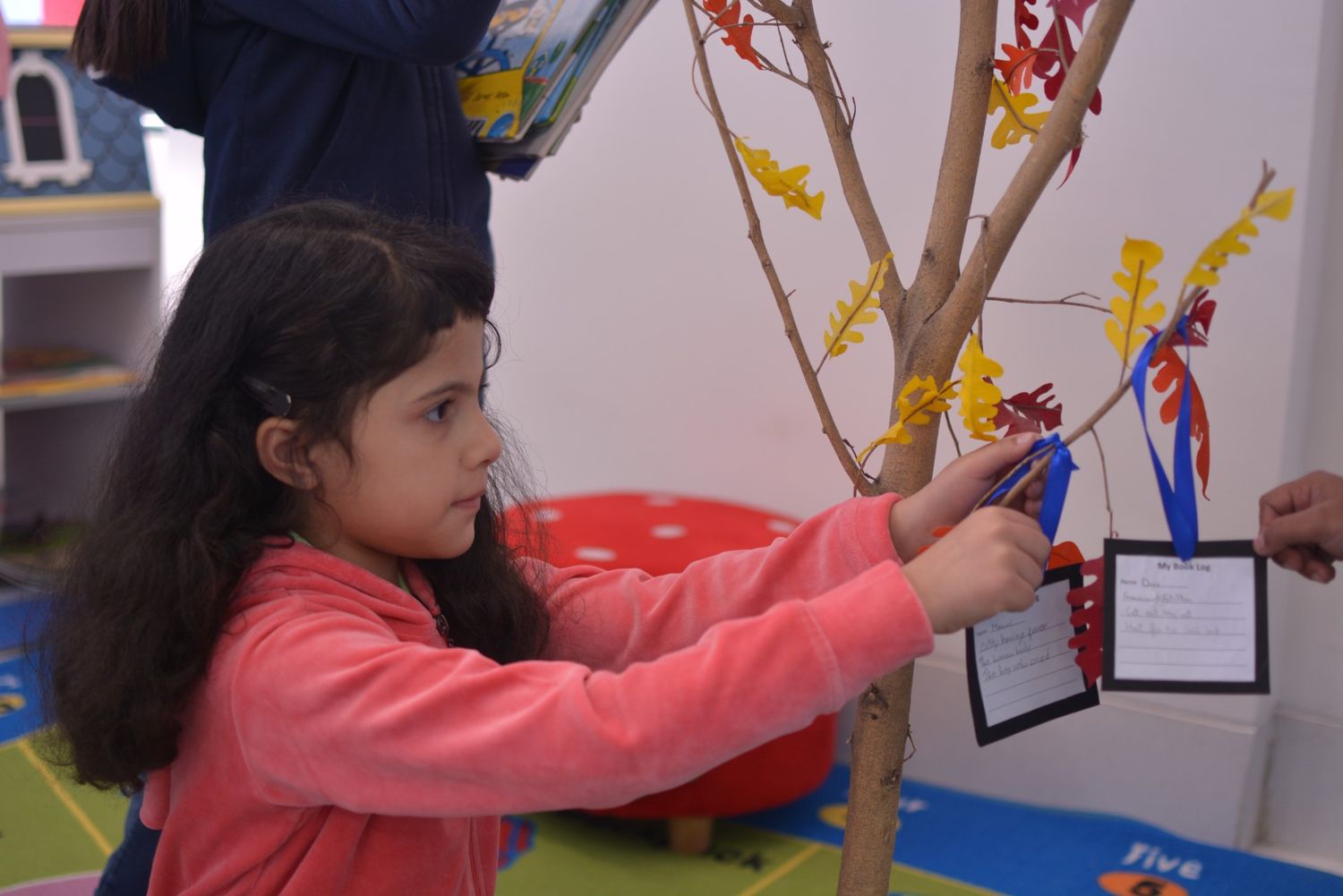
Let’s explore some powerful ways experiential learning can benefit students –
- Stronger Conceptual Understanding
Theoretical concepts can be perceived as boring or difficult to comprehend. But when the child experiments, builds a model, or witnesses the phenomenon in real life, the magic begins. The concept becomes abstract – something that they can see, feel, touch, and understand better. This sensory involvement improves comprehension and retention.
- Sharper Problem-Solving & Critical Thinking
Hands-on experiences push kids out of their comfort zone. Instead of providing information, it requires them to seek the answer themselves through trial and error. Top CBSE Board School in Gurgaon encourage their students to play educational games, build robots, and solve math problems in real life. This teaches them to think independently, question assumptions and find creative solutions.
- Better Engagement & Attention
Interactive education keeps children motivated. Instead of just sitting and listening, kids at the CBSE board school in Gurgaon actively participate by observing, doing, and making mistakes. When kids are engaged, their attention span naturally improves, boredom disappears, and learning becomes more effective.
- Enhanced Creativity & Imagination
In the world of innovation, creativity is an essential skill. Creativity and imagination grow when kids are given space and freedom. Hands-on learning activities like visual art, robotics, and science experiments provide an opportunity to think without the fear of failure, come up with new ideas, and express themselves.
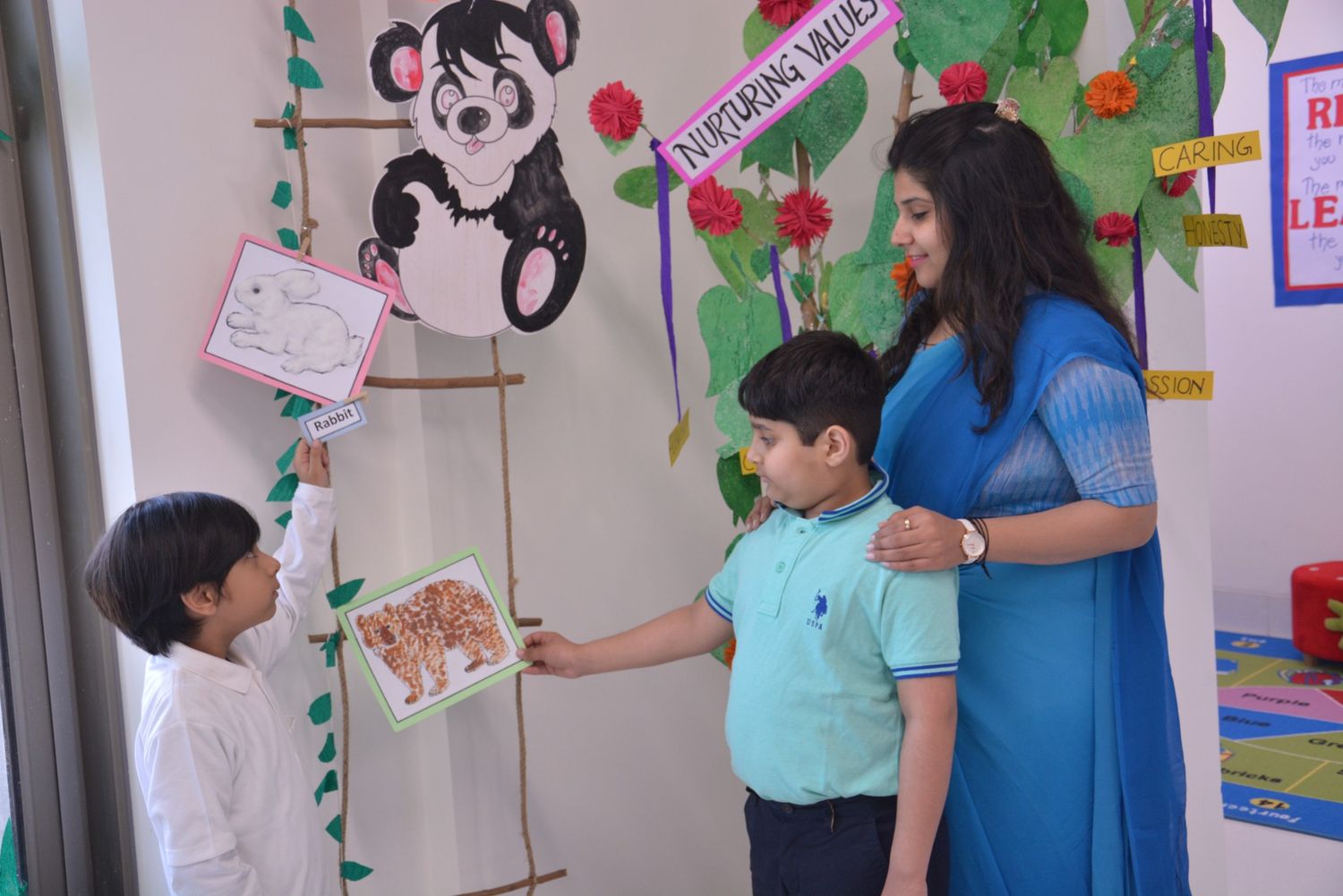
- Improved Social & Collaborative Skills
Some of the most important skills cannot be learned from textbooks; they are learned through experience. Group projects, such as science models or classroom presentations, teach students to be good listeners, excellent communicators, negotiate effectively with others, and handle disagreements well. These social skills shape them into emotionally intelligent and confident individuals.
- Boost in Confidence & Independence
There’s a unique kind of confidence that comes from doing something yourself. At Top CBSE Board School in Gurgaon, children are encouraged to do self-led projects, which boosts their confidence. Turning ideas into outcomes builds trust in their capabilities, reduces the fear of mistakes, and raises self-esteem.
Textbooks give information. Experiences build knowledge. The Blue Bells School, one of the top CBSE board school in Gurgaon, ensures that learners have access to both. Instead of focusing on rote memorisation, they empower children with hands-on learning activities that help them explore, learn, & evolve.